Published · Updated · Alper Yazagan · 7 min read
Reverse Osmosis Membrane Scaling: Causes and Precautions
Prevent reverse osmosis membrane scaling with practical precautions for antiscalant dosing, pH, recovery, pretreatment, monitoring and membrane cleaning.
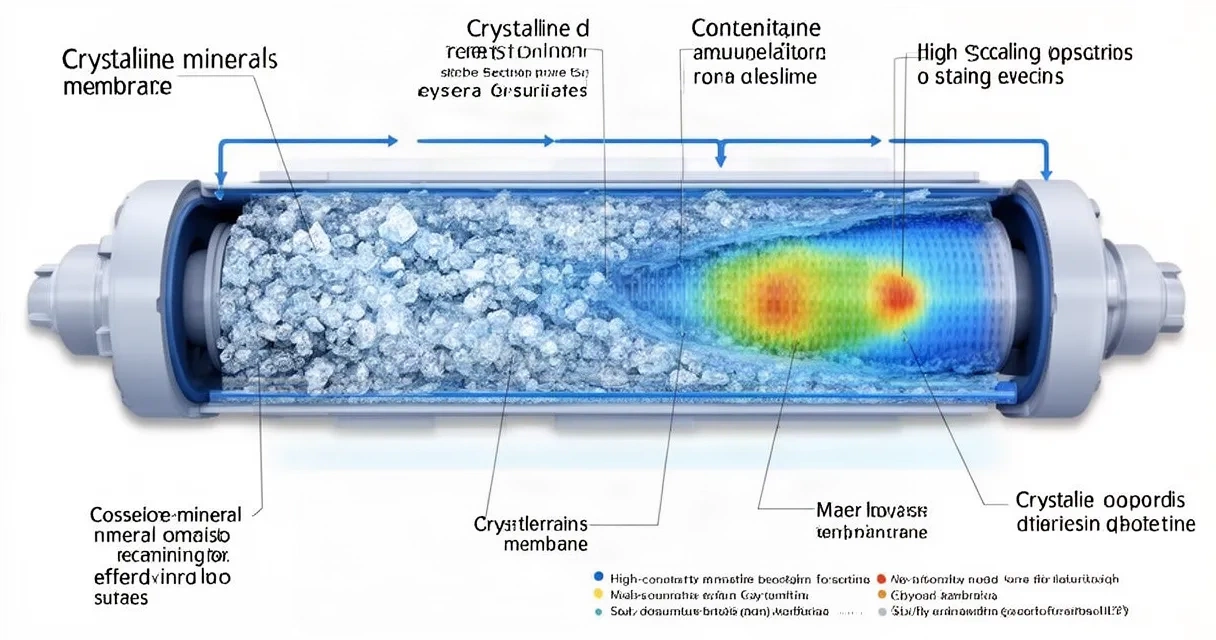
Reverse osmosis membrane scaling is the deposition of sparingly soluble minerals on membrane surfaces and within feed channels. It can reduce water production, increase pressure requirements and make cleaning more difficult. Preventing it requires coordinated control of water chemistry, recovery, membrane flux and chemical dosing.
This guide covers practical reverse osmosis membrane scaling precautions for industrial water treatment, brackish-water RO and seawater desalination.
What Causes Reverse Osmosis Membrane Scaling?
An RO membrane separates feedwater into permeate, the treated water, and concentrate, the stream carrying rejected salts. As water leaves the feed stream, dissolved constituents become more concentrated.
For a sparingly soluble salt, supersaturation occurs when its ion activity product exceeds its solubility product, Ksp, under the relevant conditions. Supersaturation creates the potential for precipitation; actual deposition also depends on nucleation, crystal growth, residence time and inhibitors.
Concentration polarization makes this more demanding: dissolved constituents can accumulate near the membrane surface above their concentration in the bulk water. Higher permeate flux and inadequate flow along the membrane can intensify this effect.
Common Types of RO Membrane Scale
| Deposit | Key consideration |
|---|---|
| Calcium carbonate, CaCO₃ | Risk depends on calcium, alkalinity, pH, temperature and concentration. |
| Calcium sulfate, often gypsum, CaSO₄·2H₂O | Assess calcium and sulfate together at the planned recovery. |
| Barium sulfate, BaSO₄ | Very low solubility makes even small barium concentrations relevant. |
| Strontium sulfate, SrSO₄ | Requires a separate sulfate-scaling assessment. |
| Silica and metal silicates | Evaluate silica, pH, temperature and interactions with metals. |
Silica deposits are not necessarily crystalline. Dissolved silica can polymerize into colloidal material or gel; silicates can also react with metals to form deposits. Its behavior cannot be reduced to “high temperature and high pH cause scaling.” See DuPont’s silica scale prevention guidance.
Membrane Scaling vs. Fouling
Scaling is a form of inorganic fouling. In operating discussions, “fouling” often refers more specifically to particle deposition, organic contamination or biofilm growth. Distinguishing the deposit matters because prevention and cleaning methods differ.
| Issue | Main mechanism | Prevention focus |
|---|---|---|
| Mineral scaling | Precipitation from concentrated dissolved constituents | Chemistry, antiscalant, pH and recovery control |
| Particulate or colloidal fouling | Deposition of suspended material | Effective filtration and pretreatment |
| Organic fouling | Accumulation of organic compounds | Source-specific pretreatment and compatible cleaning |
| Biofouling | Microbial attachment and growth | Biological control compatible with the membrane |
Mixed deposits are possible. A drop in flow or increase in pressure alone does not identify which mechanism is responsible.
Six Precautions to Prevent RO Membrane Scaling
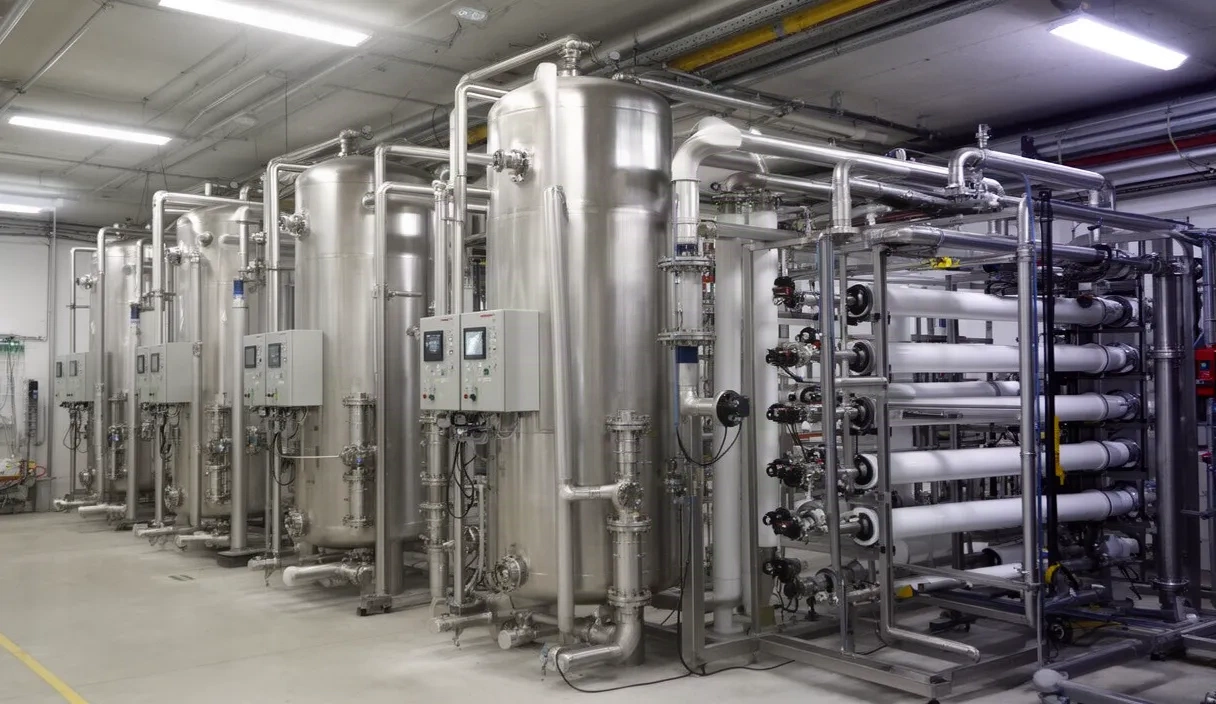
1. Analyze Feedwater and Model the Concentrate
Obtain representative measurements of calcium, magnesium, barium, strontium, sulfate, alkalinity, silica, pH, temperature and total dissolved solids (TDS). Include iron and aluminum where source water or pretreatment chemicals make them relevant. Check the ionic balance and reassess after source or seasonal changes.
Evaluate the concentrate at the proposed operating conditions, including the last stage and tail elements. Feedwater results alone understate the concentrations reached inside an RO system.
The Langelier Saturation Index (LSI) and Stiff & Davis Stability Index (S&DSI) describe calcium carbonate saturation tendencies in their respective salinity ranges. A positive value indicates supersaturation relative to calcium carbonate, not proof of deposition. Neither index predicts sulfate or silica scaling. DuPont describes their use in its FilmTec technical manual.
2. Select and Verify Antiscalant Dosing
Antiscalants delay precipitation and crystal growth. They do not remove dissolved salts. Choose the formulation and dose using the water analysis, concentrate projection and supplier’s validated limits.
Confirm chemical compatibility, dosing-pump delivery, dilution quality and mixing. Overdosing or interaction with cationic coagulant polymers can create deposits. DuPont specifically flags these compatibility concerns in its scale-control guidance.
For operating context, read our guide to antiscalants in seawater RO.
3. Adjust pH for the Relevant Scale
Acid addition can reduce calcium carbonate scaling by shifting carbonate chemistry. It does not provide general protection against sulfate scales. Sulfuric acid also adds sulfate, which must be included in the scaling calculation. These distinctions are covered in DuPont’s acid-addition guidance.
Set pH from the actual chemistry and membrane limits. A universal target such as pH 5.5–6.5 is not appropriate for every plant.
4. Use Pretreatment That Addresses Dissolved Minerals
Where justified by the feedwater and economics, softening, precipitation treatment or nanofiltration can reduce selected scale-forming constituents.
Cartridge filters and ultrafiltration help control particles but do not, by themselves, remove dissolved hardness or sulfate. Check pretreatment performance as well as its design: chemical carryover or hardness breakthrough can change the conditions reaching the RO membranes.
5. Control Recovery, Flux and Concentrate Flow
Recovery (%) = permeate flow ÷ feed flow × 100.
For an idealized system with negligible salt passage and no precipitation, the bulk concentrate concentration factor is approximately 1 ÷ (1 − R), where R is recovery expressed as a fraction. At 75% recovery, this gives roughly four times the feed concentration. Local membrane-surface concentrations can be higher.
This mass-balance estimate is not a scaling model. Recovery limits also depend on mineral composition, pretreatment, element arrangement and chemical protection; TDS alone cannot determine a safe recovery.
Maintain the manufacturer’s minimum concentrate flow, maximum element recovery and flux limits. Assess production changes using a system projection. Increasing pressure to compensate for deposits can raise energy use without resolving their cause.
6. Reassess Seasonal Changes and Shutdowns
Temperature affects membrane permeability, diffusion and mineral solubility. The direction and magnitude of its effect depend on the constituent, so reassess the projection when feedwater conditions change.
Follow the equipment supplier’s shutdown flushing procedure to displace concentrated water from the elements. Verify chemical dosing and pretreatment before restarting. For extended shutdowns, follow the membrane’s preservation instructions.
Monitoring and Cleaning RO Membranes
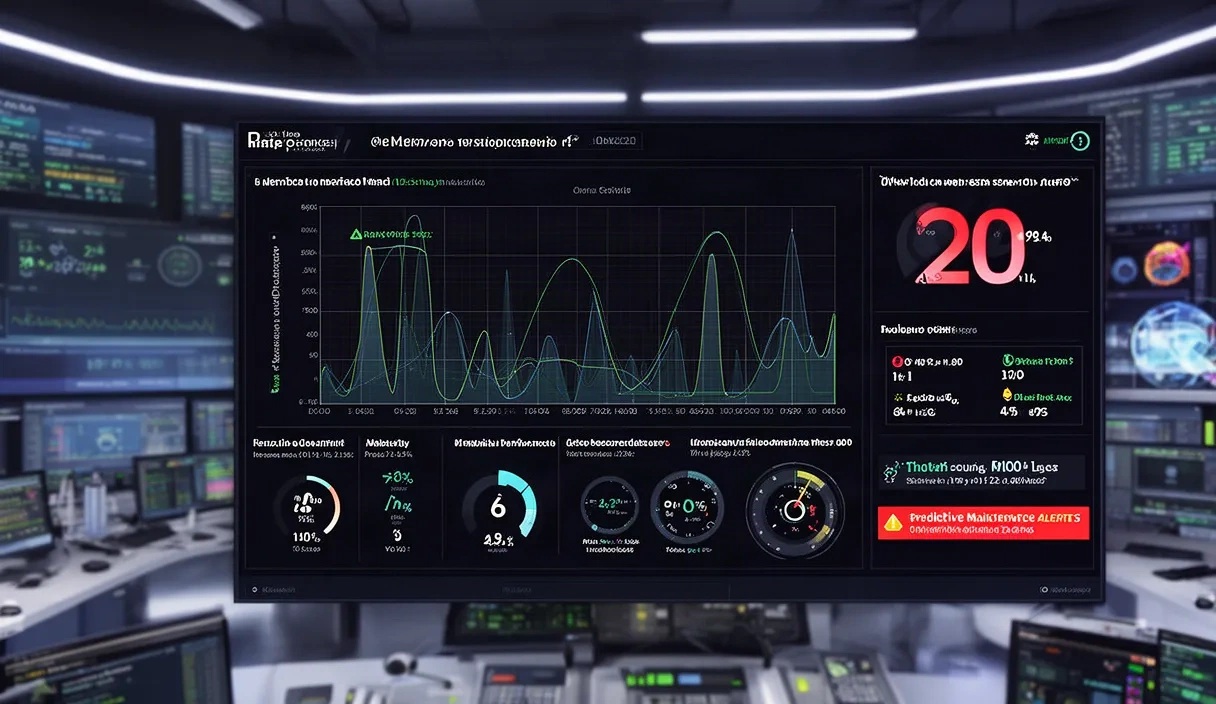
Record feed, permeate and concentrate flows; stage pressures; temperature; conductivity; pH; and chemical delivery. Compare normalized permeate flow, salt passage and pressure drop against a stable baseline using the membrane supplier’s normalization method.
Differential pressure (ΔP) is the pressure loss along a feed channel or stage. It differs from transmembrane pressure, which acts across the membrane. Neither measurement alone proves scaling.
DuPont’s FilmTec cleaning guidance recommends cleaning when normalized permeate flow falls 10%, normalized salt passage rises 5–10%, or normalized pressure drop rises 10–15%. Apply the instructions for the installed elements; these are baseline changes, not monthly deterioration allowances.
Choose Cleaning Chemistry After Diagnosis
Check instrumentation, feedwater changes and dosing failures first. Deposit analysis or membrane autopsy may be needed when the cause remains uncertain.
Calcium carbonate may respond to an approved acid cleaning, while sulfate and silica deposits need different evaluation. Mixed deposits may require a specific sequence. Standard polyamide RO membranes are vulnerable to oxidants such as free chlorine; use only approved cleaning chemicals and observe product-specific pH, temperature and exposure limits. Consult the FilmTec technical manual for detailed procedures.
Trend analysis and predictive maintenance can help prioritize investigation and cleaning-in-place (CIP). They support diagnosis; a dashboard cannot establish deposit chemistry by itself. Our reverse osmosis optimization guide explains how normalized data informs operating decisions.
Frequently Asked Questions
What Is the Best Way to Prevent RO Membrane Scaling?
Combine concentrate chemistry assessment, suitable pretreatment, validated antiscalant dosing and controlled recovery. Monitor performance and verify that chemical delivery matches the design assumptions.
Can Lowering Recovery Reduce Scaling?
Yes. Lower recovery generally reduces the concentration of rejected constituents in the concentrate. Evaluate the resulting water production, concentrate volume and flow conditions before changing the setpoint.
Does a Negative LSI Mean All Scaling Risks Are Controlled?
No. LSI addresses calcium carbonate saturation. Barium sulfate, strontium sulfate, calcium sulfate and silica require their own assessments.
Can Scaling Be Detected from Permeate Conductivity Alone?
No. Conductivity can change with feed salinity, temperature, membrane condition or seal problems. Interpret it with normalized performance, pressure trends and water chemistry.
Can Antiscalant Remove Existing Scale?
Antiscalant is a preventive treatment, not a substitute for membrane cleaning. Investigate existing deposits, select an approved cleaning procedure and correct the operating conditions that allowed scaling.
To evaluate your plant’s operating data and maintenance priorities, contact Clewas about reverse osmosis optimization.